Black Panther Party Heritage Trail in Illinois
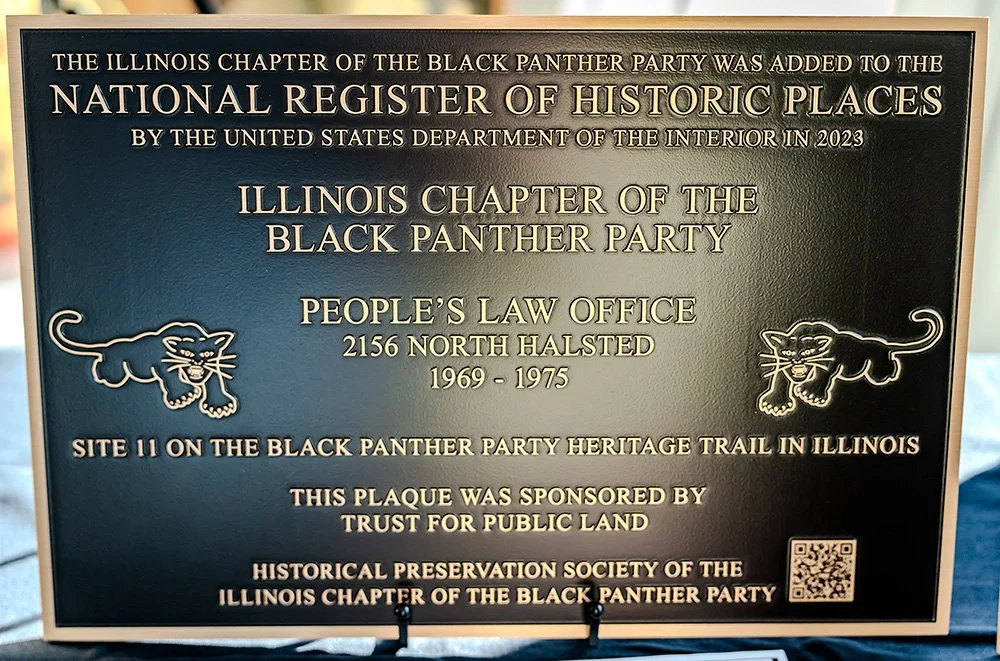
Site 11
People’s Law Office
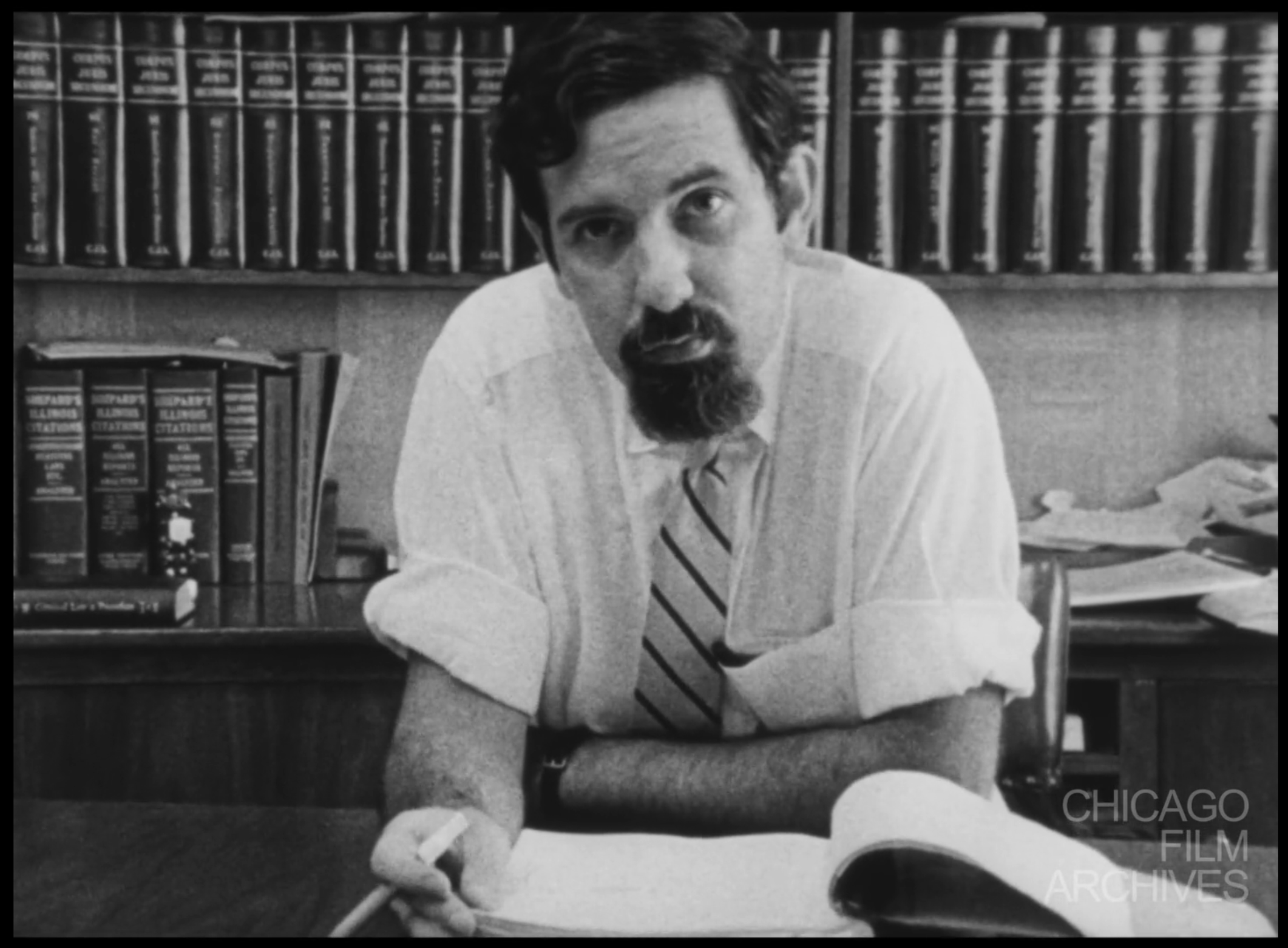
PHOTO: Panther lawyer Skip Andrew of the People’s Law Office, still shot of “The Murder of Fred Hampton,” Chicago Film Archives.
Site 11
Name
People’s Law Office.
Location
2156 N. Halsted, Chicago, IL 60614, Lincoln Park.
Historical Period of Significance
1969-1975.
Original Structure
Yes.
Panther Activities
Panther Lawyers
Historical Marker Installation Status
Not yet installed.
Site 11: People’s Law Office
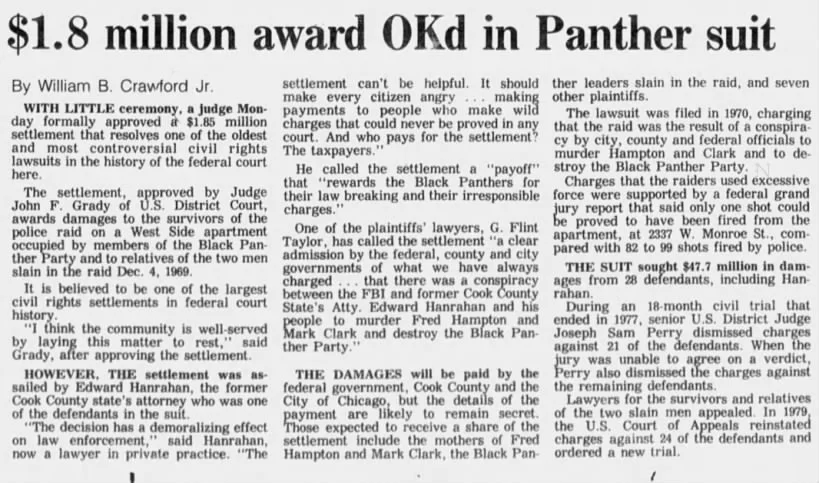
Chicago Tribune Archive: Tuesday, March 1, 1983 • Chicago, Illinois Page 33
The People's Law Office and The People's Narrative
“The People’s Law Office was to the Panthers as the NAACP was to the Civil Rights Movement.”
Panther Lynn French
Skip Andrew and Donald Stang, two young lawyers from the Chicago Lawyers’ Committee for Civil Rights, met Fred Hampton in the summer of 1969. They, like Jeffrey Haas, Dennis Cunningham and Flint Taylor, were becoming more involved in the social justice movement. Finding themselves at a crossroads between becoming corporate attorneys and movement lawyers, they chose the latter. With other young attorneys, they founded the People’s Law Office. Clients included the Panthers, the Young Lords, antiwar protesters, and Students for a Democratic Society during an intense period of political repression in American history.
A Panther would be arrested, and his one phone call would be to headquarters. The People’s Law Office would be alerted, show up at the police station, and most times, the Panther would be released immediately. Other times, arrests would follow police raids and shootings, and the Panthers would be held on attempted murder charges.
Attorneys from the office represented Panthers across Illinois—from Chicago and Altgeld Gardens to Cairo, Carbondale, Champaign, and other communities—who were repeatedly arrested on charges ranging from disorderly conduct for selling Black Panther newspapers to serious felonies from confrontations with law enforcement.
Following the assassination of Illinois Deputy Chairman Fred Hampton and Peoria Defense Captain Mark Clark on December 4, 1969, attorneys, law students, and legal workers from the People's Law Office immediately began documenting the crime scene and gathering evidence the police hastily left behind. The Panthers opened the apartment to the public and directly challenged State’s Attorney Edward Hanrahan’s narrative with evidence at the apartment.
Later, Skip Andrew pushed for an independent autopsy on Fred Hampton, with the permission of Francis and Iberia Hampton. Hampton had been shot twice in the head, consistent with the police firing machine guns into the bedroom, but Andrew believed something was missing from the official autopsy.
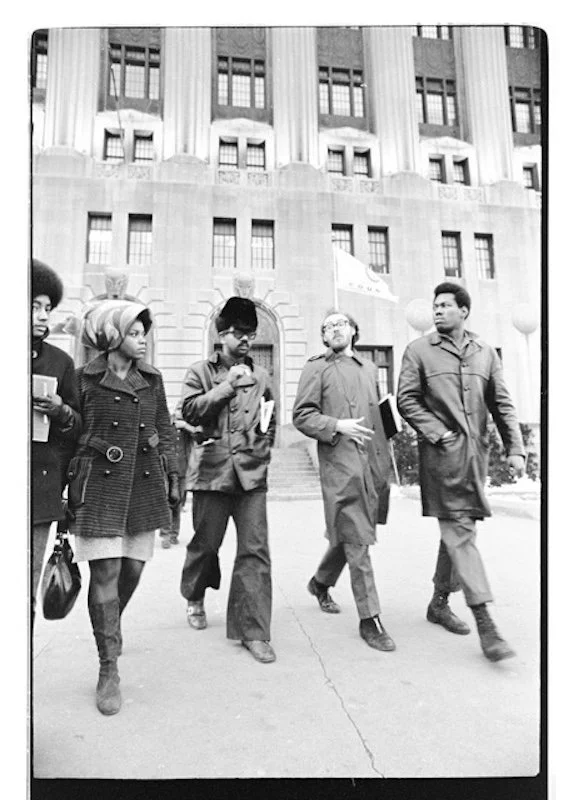
January 7, 1970: Bobby Rush (center) with his wife, Sandra Milan; People’s Law Office Attorney Dennis Cunningham; and Panther Harold Bell leaving the coroner’s inquest. Photo: ST-17101282D-0028, Chicago Sun-Times collection, Chicago History Museum
Another autopsy was performed on Hampton’s body at Rayner Funeral Home. Two tests revealed he had been drugged with the barbiturate Seconal, rendering him immobile and unconscious.
The People’s Law Office, other attorneys, the Black Panther Party, and the mothers of Fred Hampton and Mark Clark worked together to disprove Hanrahan’s narrative and proved that the attack was an FBI- and Chicago Police-coordinated assassination.
The People's Law Office filed litigation that exposed the FBI's secret COINTELPRO campaign against the Black Panther Party and helped secure one of the largest civil rights settlements of its time. Their work also contributed evidence to the U.S. Senate's Church Committee investigation, which publicly documented the FBI's illegal efforts to disrupt and destroy the Black Panther Party and other political organizations.
The People's Law Office did more than defend individual cases. By representing Panthers throughout Illinois and relentlessly challenging false prosecutions, police misconduct, and government deception, the office prevented many from being wrongfully imprisoned and helped preserve the historical record.
Without their work, many Panthers could have spent decades incarcerated on false charges, and much of what is now known about the campaign against the Illinois Chapter might never have come to light.
Still in operation today, the People’s Law Office continues to fight against government overreach, police brutality, police torture, wrongful convictions, protest and free speech.
The People's Law Office did not simply argue cases in court—it helped ensure that the people's history became the people's true narrative.
Photos
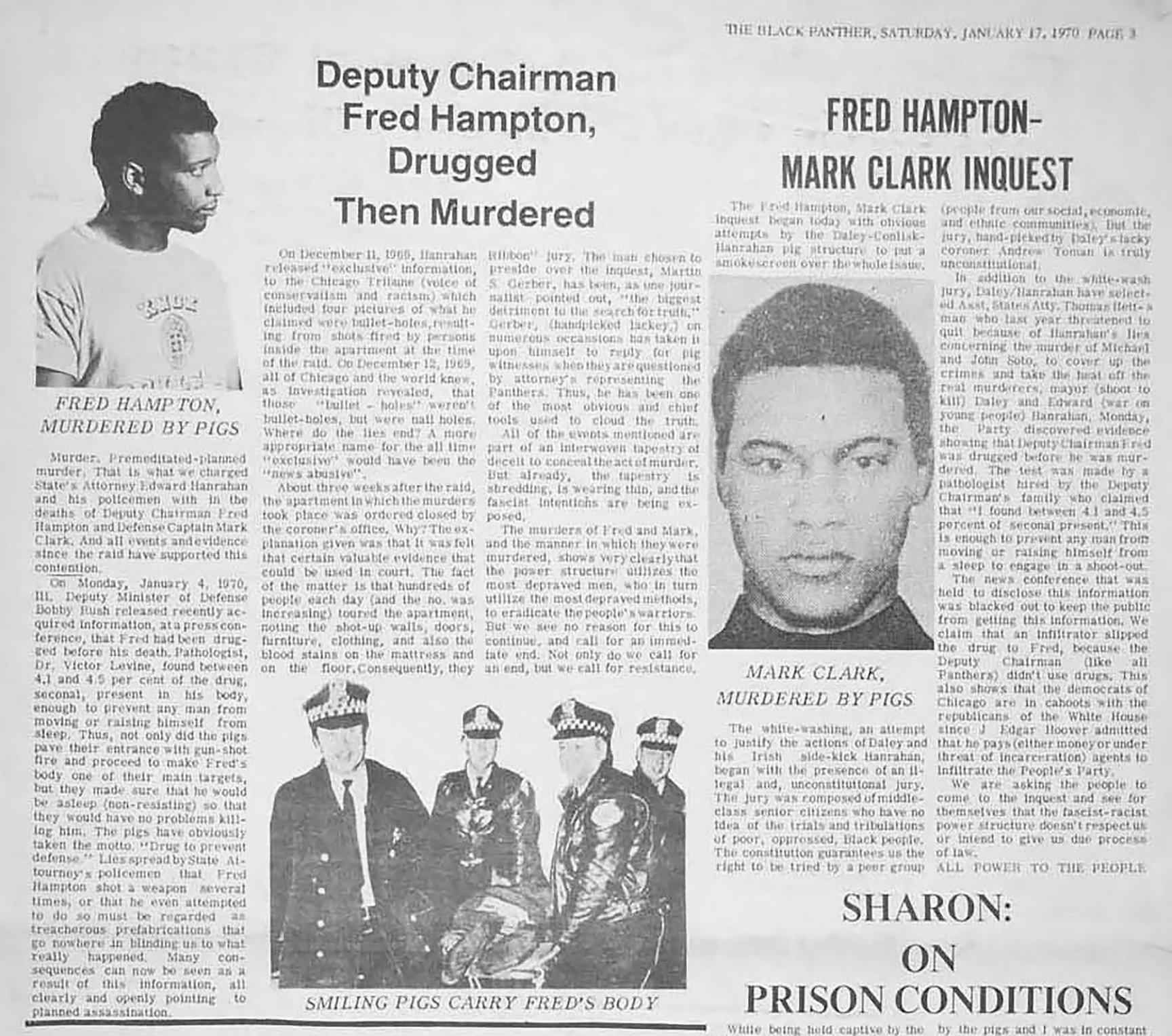
The Black Panther newspaper, January 17, 1970, reveals the results of Fred Hampton's second autopsy arranged by Skip Andrew and the People's Law Office. The second autopsy results showed Hampton was drugged with the barbiturate Seconal, rendering him unconscious and immobile during the assassination.
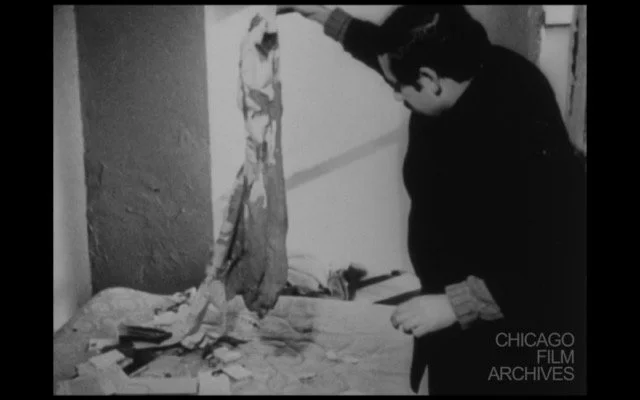
Attorney Skip Andrew inspecting the aftermath of the deadly raid on December 4, 1969. The photograph is a still shot from the film "The Murder of Fred Hampton" by Howard Alk and Mike Gray, made available by Chicago Film Archives.
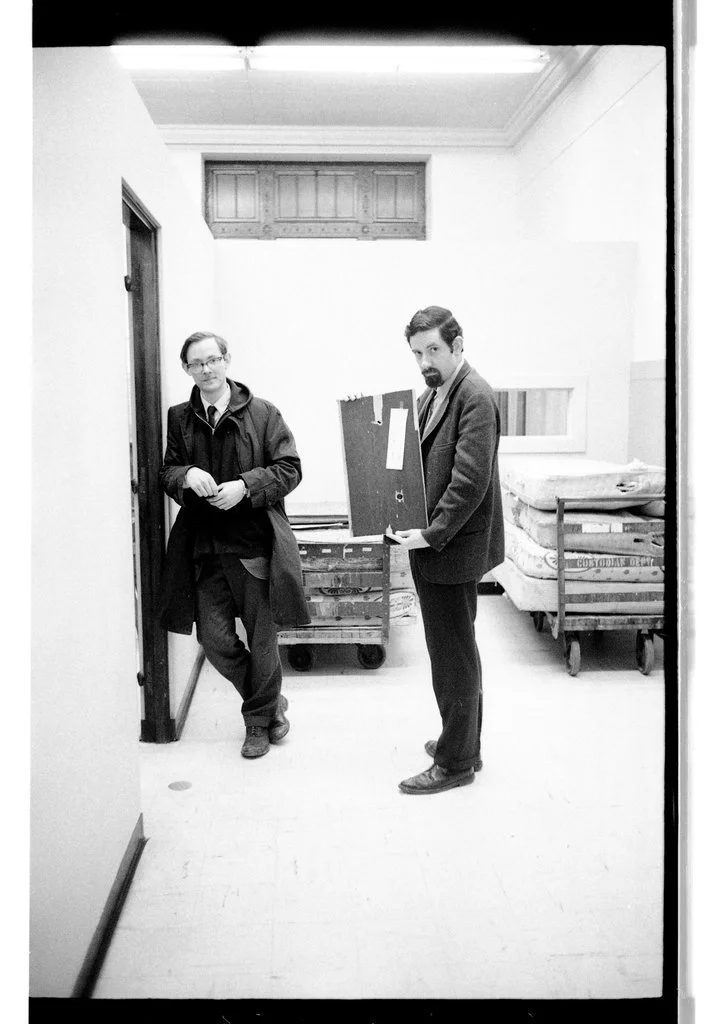
January 19, 1970. (right) Skip Andrew. "Skip was held in contempt and spent a weekend in jail for refusing to produce the front door panel. He didn’t bring it in until the raiders had testified that no police officer fired through the front door. The panel clearly contained the bullet hole of an incoming shot...Skip removed this panel to preserve what he recognized as a critical piece of evidence, one that might reveal who fired the first shot at the front. [Mark Clark or Sergeant Groth]" Jeffrey Haas, "The Assassination of Fred Hampton." Photo: ST-17101282E-0037, Chicago Sun-Times collection, Chicago History Museum
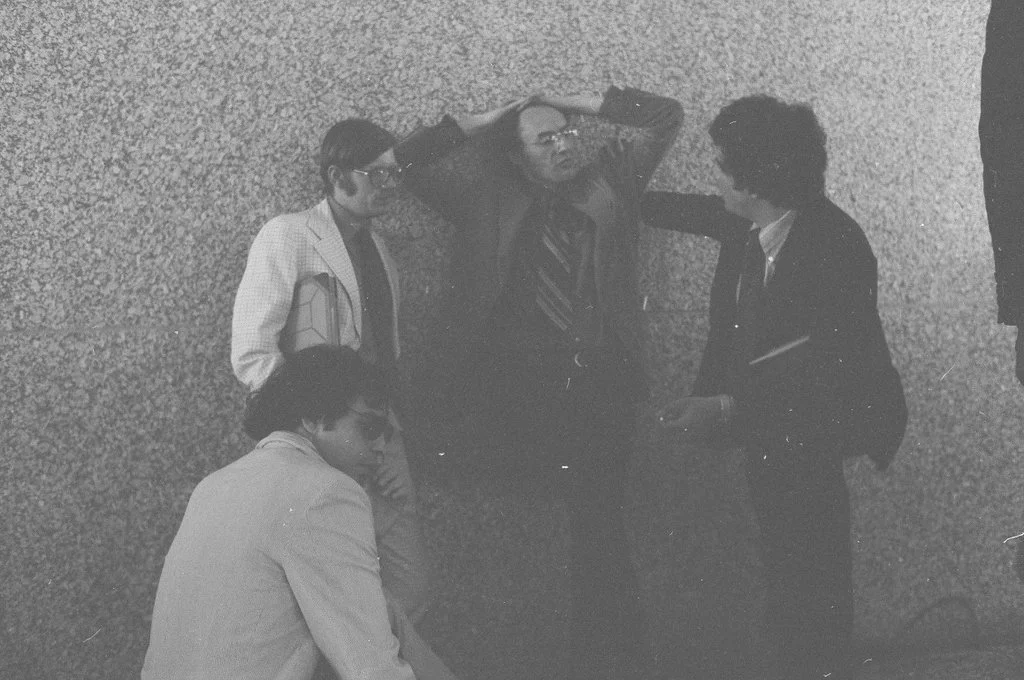
June 20, 1977. Panther lawyers (l-r) Mike Deutsch, Flint Taylor, Dennis Cunningham and Jeffrey Haas at U.S. District Court in Chicago after seven police officers were found not guilty of murdering Fred Hampton and Mark Clark. Photographer Jim Frost, ST-19030988-0027, Chicago Sun-Times collection, Chicago History Museum
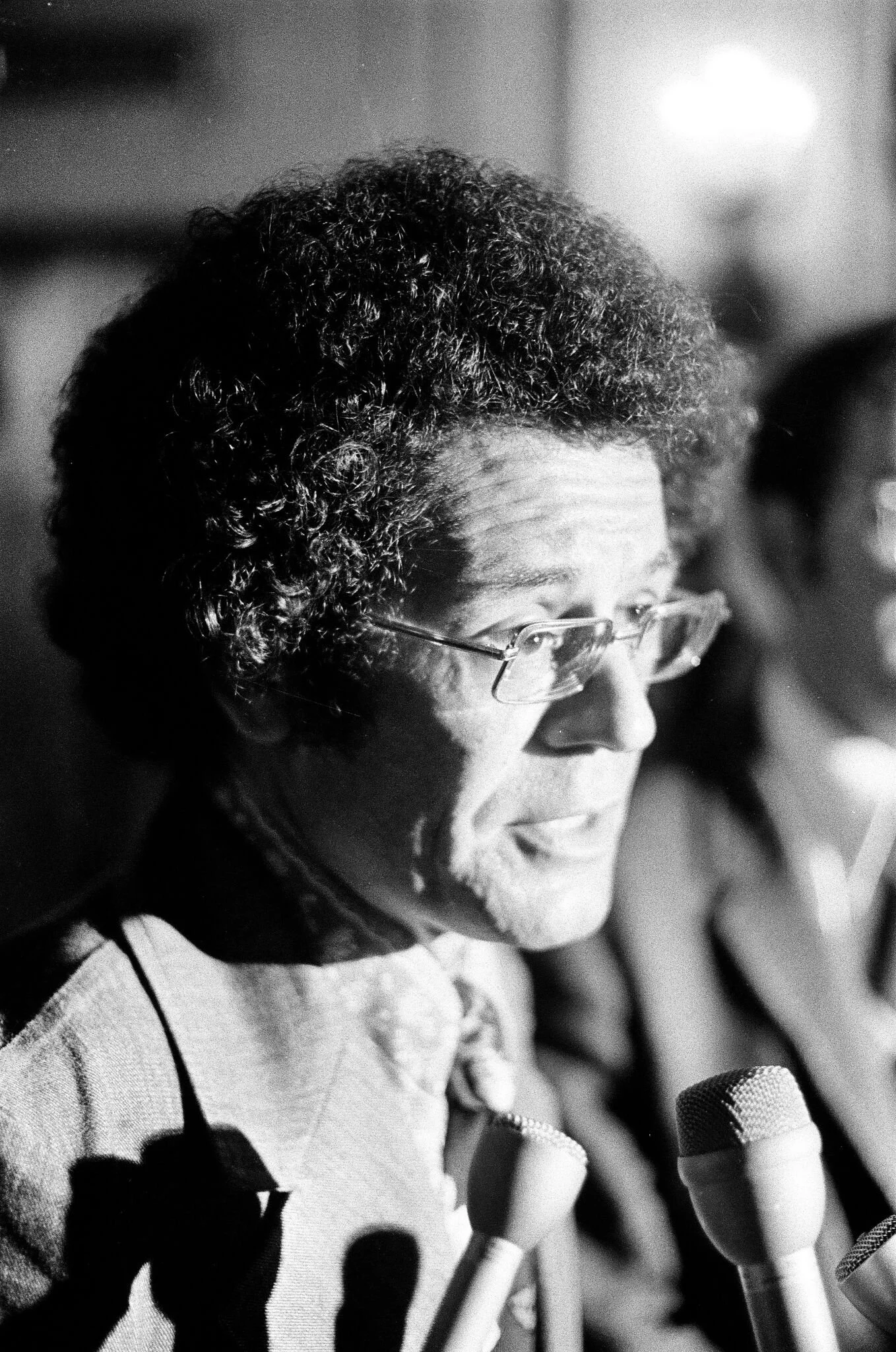
August 24 1971. Panther and ACLU lawyer Kermit Coleman, not of the People's Law Office, at 2650 S. California. Coleman assisted in representing Fred Hampton and the Panthers in several cases. Photographer Charles Krejcsi, ST-19070147-0001, Chicago Sun-Times collection, Chicago History Museum
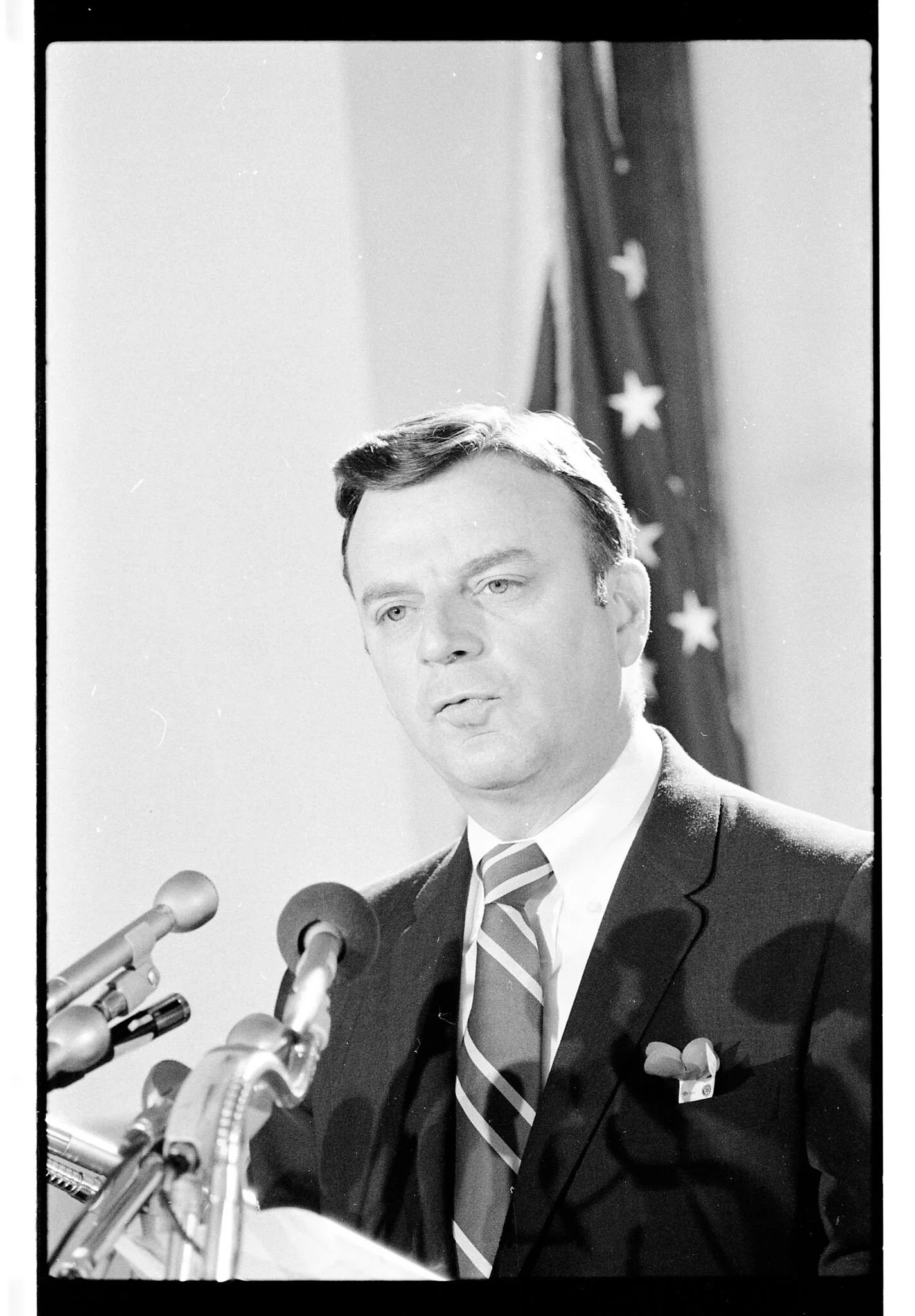
May 22, 1970. State's Attorney Edward Hanrahan. After the assassination of Fred Hampton and Mark Clark, Hanrahan immediately went to the press and described the Panthers as firing multiple firearms at police during the raid. Ballistic reports would later prove that 99 shots were fired by police, and one reflexive shot was fired by Mark Clark after he was hit while falling to the floor. The shot that hit Clark killed him instantly, proving it was not a deliberate fire. Photographer Duane Hall, ST-17101247A-0020, Chicago Sun-Times collection, Chicago History Museum
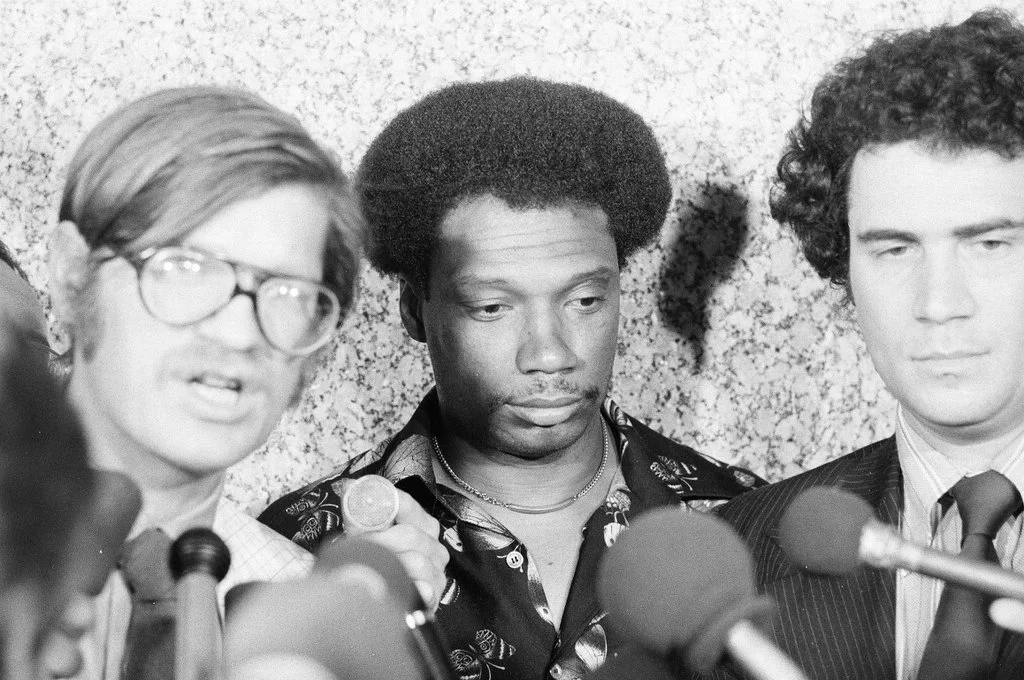
June 20, 1977, at the Federal District Court in Chicago. (l-r) Flint Taylor, Bill Hampton, Jeffrey Haas after the jury delivers a not guilty verdict in the trial of the seven police officers who executed Fred Hampton and Mark Clark and wounded four others. Photographer Jim Frost, ST-19030988-0023, Chicago Sun-Times collection, Chicago History Museum
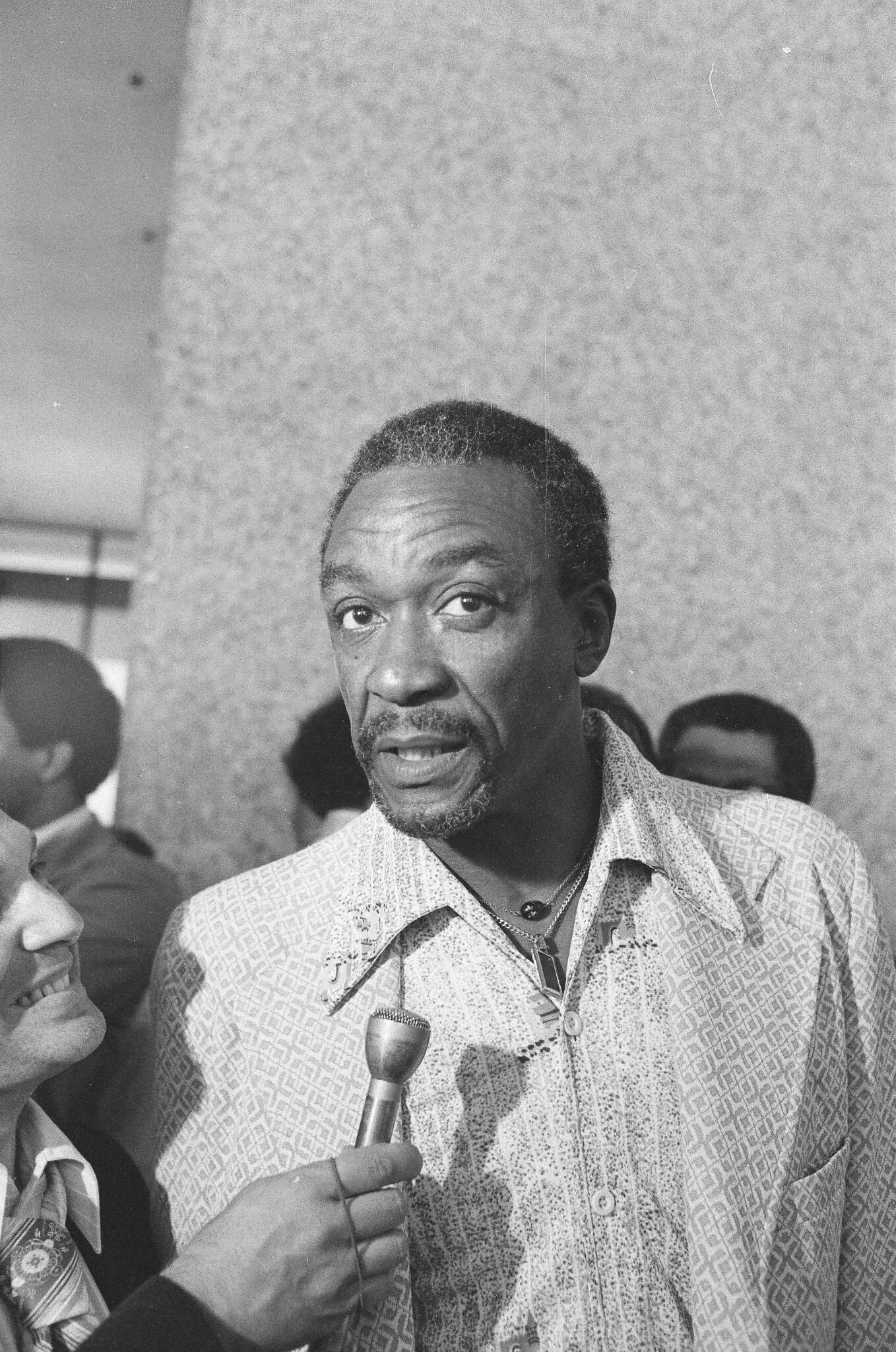
June 20, 1977, at the Federal District Court in Chicago. Chicago police officer James "Gloves" Davis, one of the seven police officers who executed Fred Hampton and Mark Clark and wounded four others. The jury found all the officers not guilty. ST-19030988-0005, Chicago Sun-Times collection, Chicago History Museum
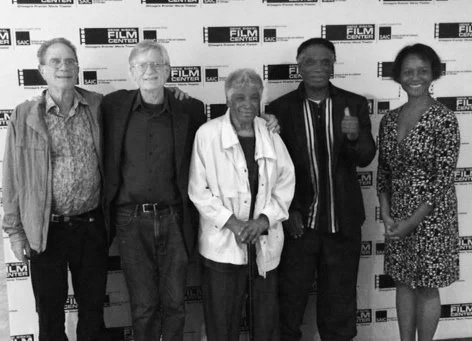
Remembering Iberia Hampton, from the People's Law Office: On October 16, 2016, Iberia Hampton died after a long illness at the age of 94. We can not put into words how much Iberia, known affectionately as Big Mama, meant to us. The foundation of the People’s Law Office was grounded in the life and the December 4, 1969 assassination of Fred Hampton, and our collective struggle to uncover, expose, and teach about the truth of Fred and Mark Clark’s murders at the hands of the Chicago police, the Cook County State’s Attorneys’ Office, and the FBI’s Cointelpro Program. Iberia and Fred’s brother Bill stood with us during our many decade battle, and she was a second mother to Jeff and Flint, who remained devoted comrades and friends with her up and until the time of her death. On October 26, 2016, the Cook County Board of Commissioners passed a unanimous resolution honoring Iberia, Fred, and the Hampton family. Iberia Hampton, like her son Fred, was a true inspiration to all of us and will continue to inspire us in our work. Photo: People's Law Office, (l-r) Jeffrey Haas, Flint Taylor, Iberia Hampton, Bill Hampton, Laurens Grant.
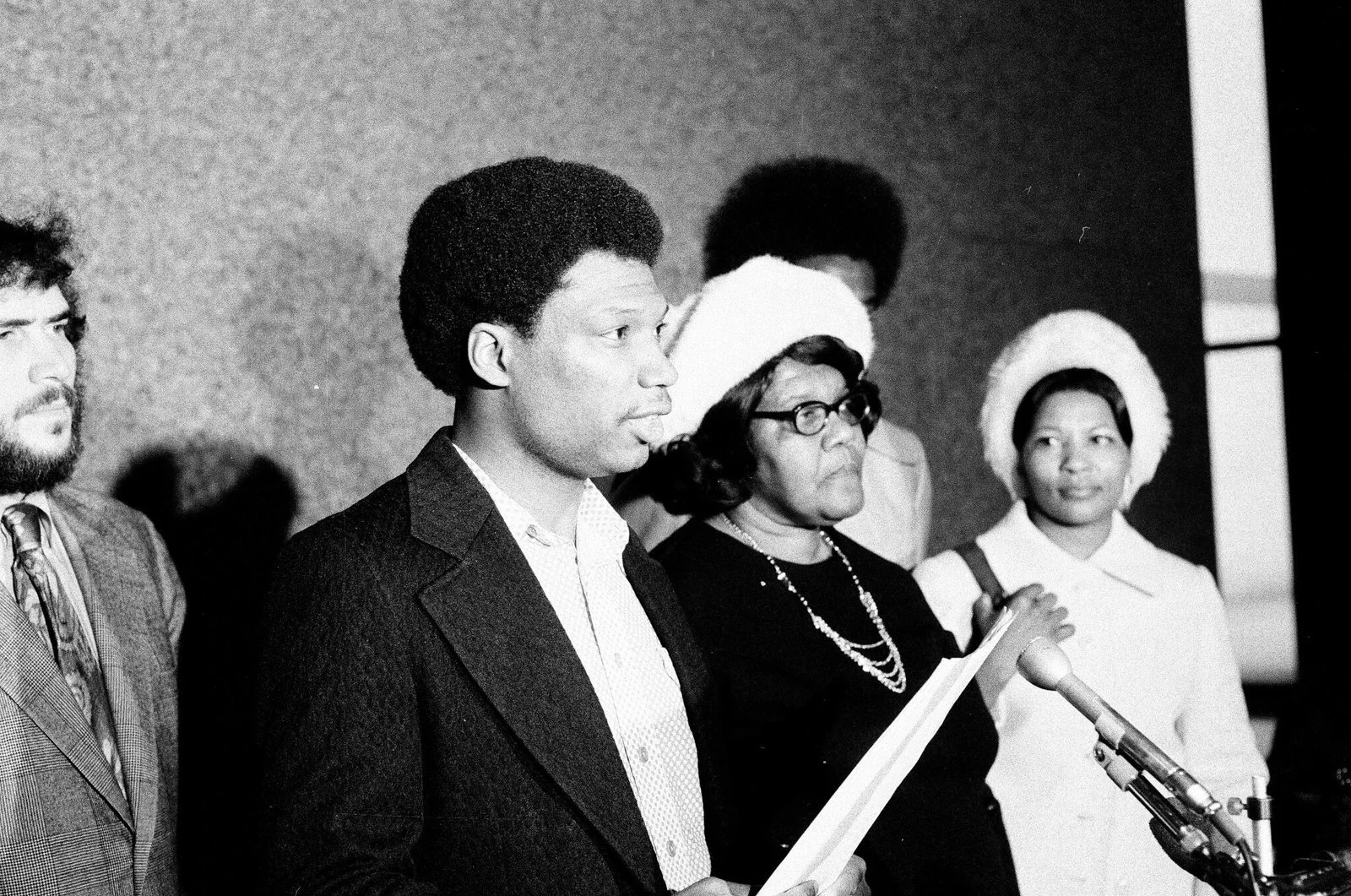
December 4, 1974. Fred Hampton's brother, Bill Hampton, stands next to Mrs. Fannie Clark, Mark Clark's mother. Behind Bill is Jeffrey Haas of the People's Law Office. ST-19030962-0006, Chicago Sun-Times collection, Chicago History Museum
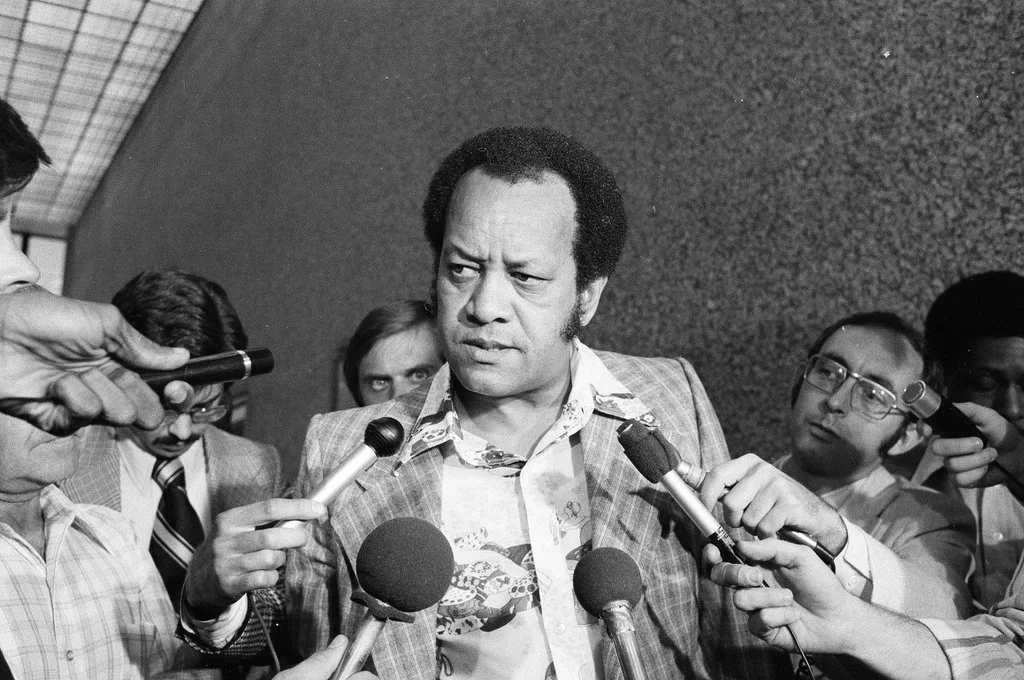
June 20, 1977, at the U.S. District Court in Chicago. Panther attorney James Montgomery, not of the People's Law Office, after seven police officers were found not guilty of the murders of Fred Hampton and Mark Clark. Photographer Jim Frost, ST-19030988-0043, Chicago Sun-Times collection, Chicago History Museum
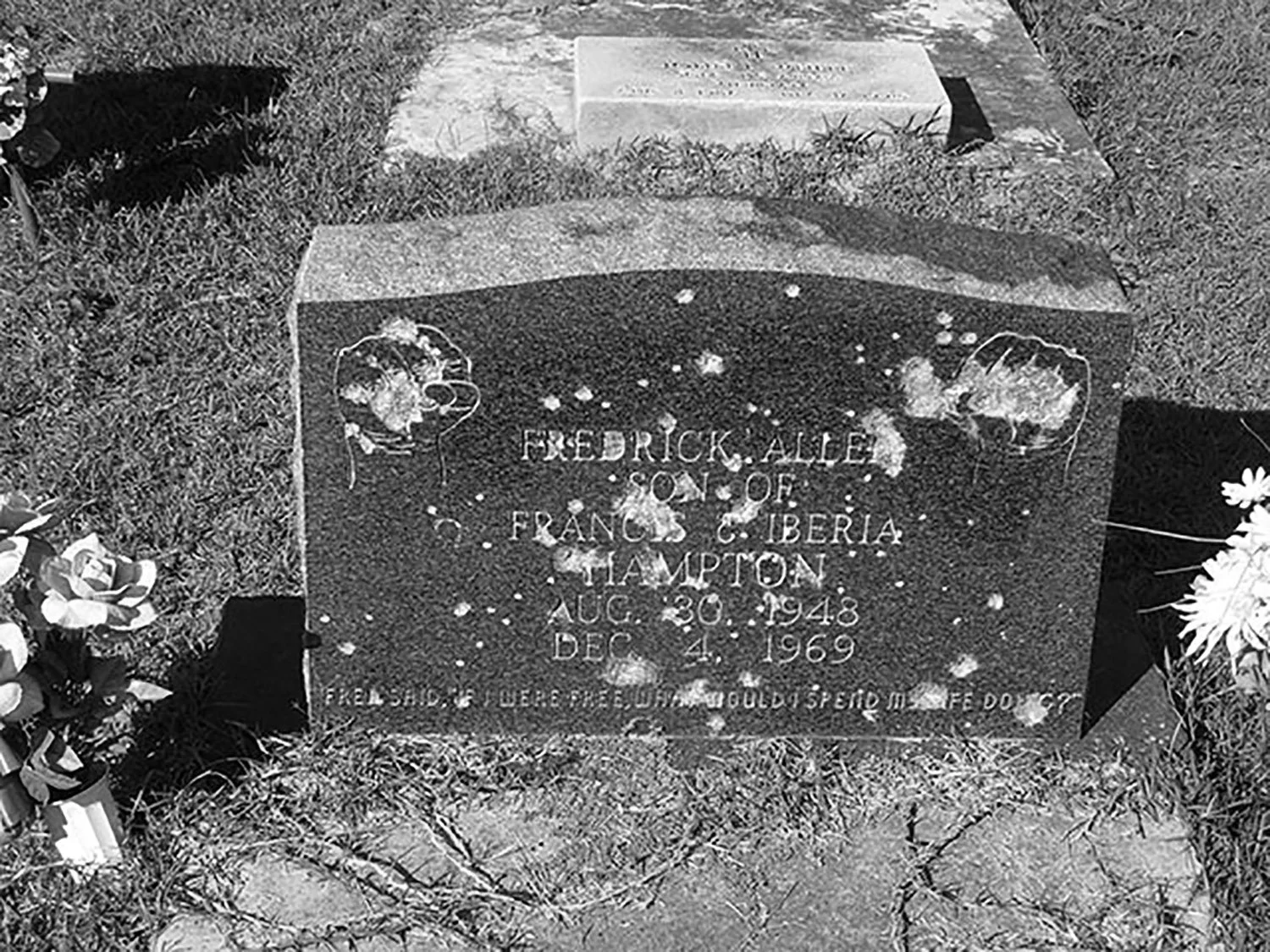
In 2016, Flint Taylor traveled to Haynesville, Louisiana, to deliver Iberia Hampton's eulogy. He visited Fred Hampton's gravesite and discovered it had been riddled with bullets. Members of the Hampton family said that Mr. and Mrs. Hampton knew about the desecration but never changed the headstone.

The family of Mark Clark in Peoria on June 28, 2025, at the Ward Chapel, A.M.E. Church Dedication Ceremony. Mark started a Free Breakfast for Children Program at Ward Chapel in 1969, and the church continued the program until the COVID-19 pandemic. The photo is in Fellowship Hall, the same place where the Free Breakfast for Children was held. Photo: Courtesy of Trust for Public Land